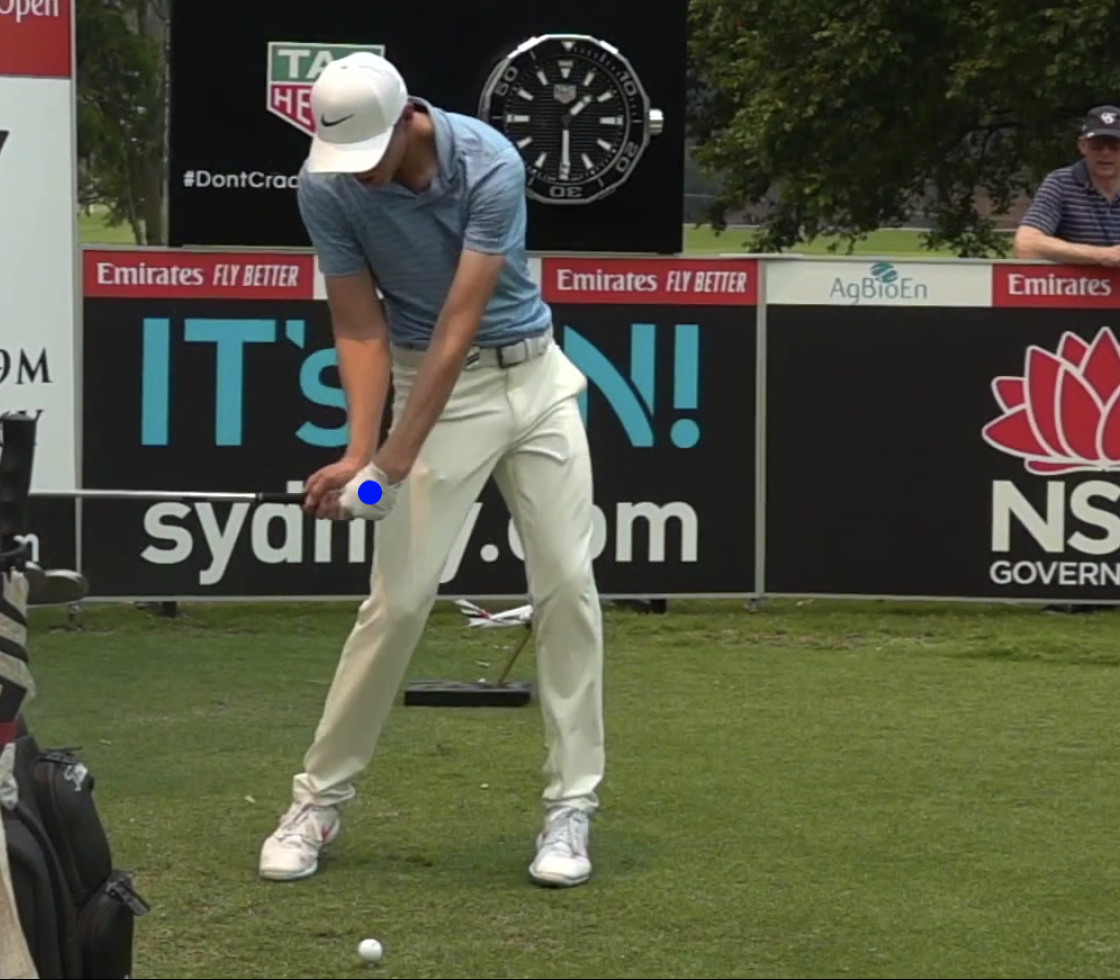
P6
The lead wrist is palmar flexed, with the club still lagging behind.
Different swings, but the same key pattern.
Pay close attention to the lead wrist from P6, to impact, and into the follow through.
Compare the three positions
1 / 3
The lead wrist is palmar flexed, with the club still lagging behind.

The lead wrist stays palmar flexed as it works toward the target.
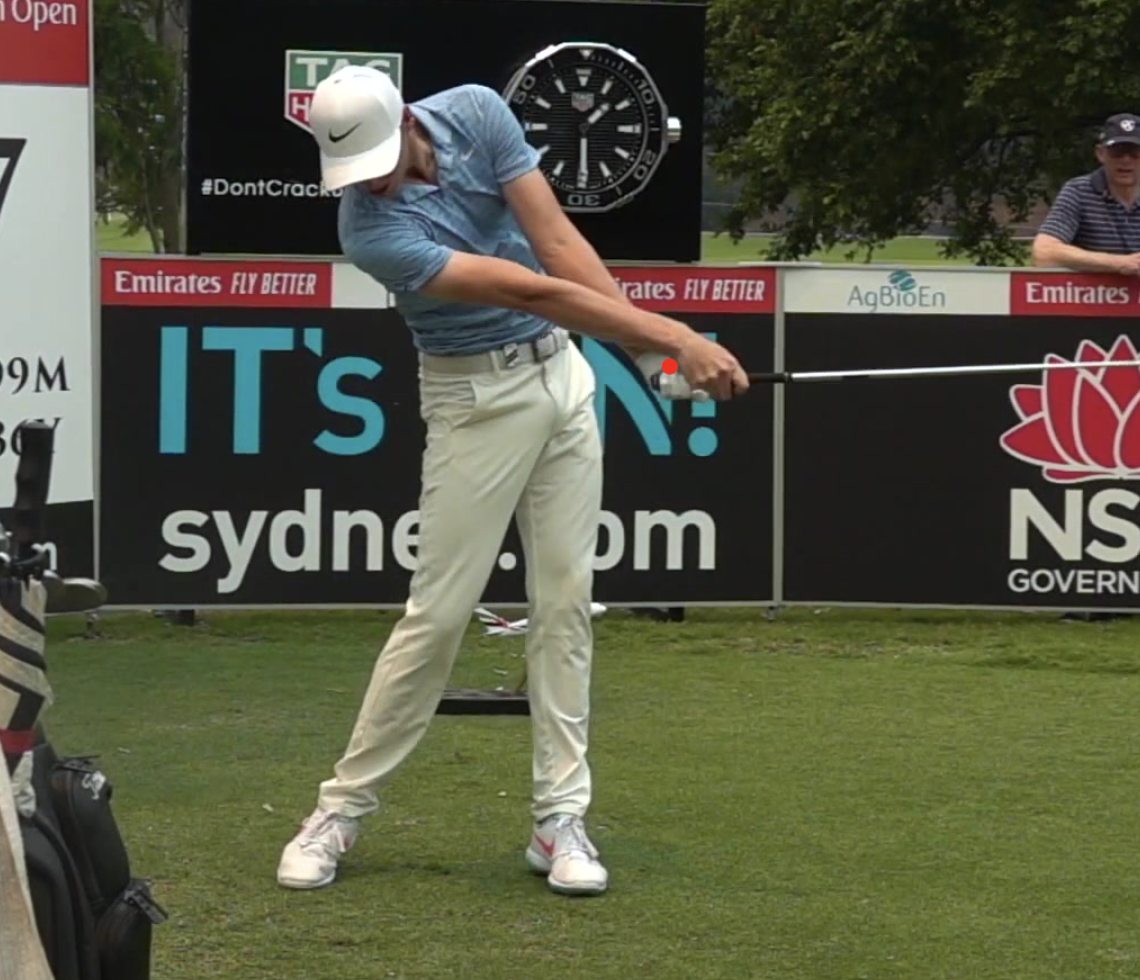
The lead wrist rotates away from the camera as the body keeps turning.
Use the arrows, dots, or swipe on your phone.
Compare the three positions
1 / 3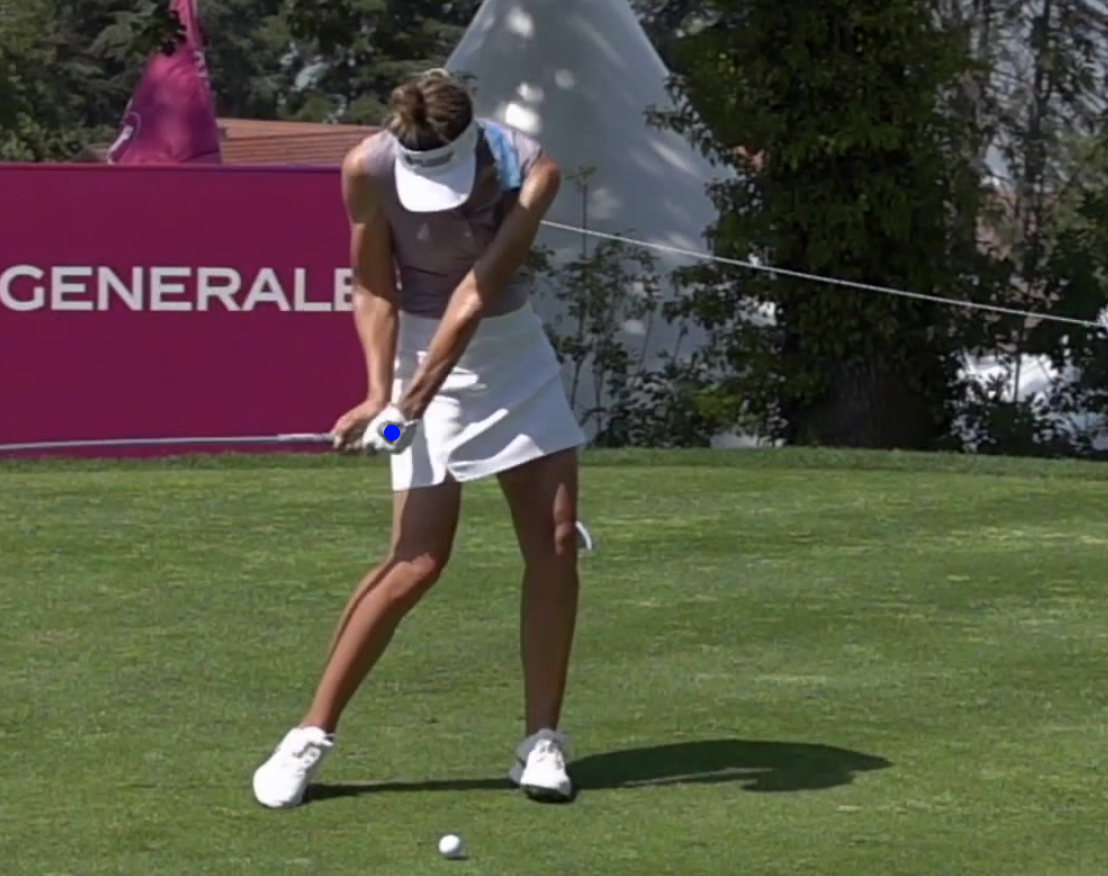
The lead wrist is palmar flexed and more visible to the camera.
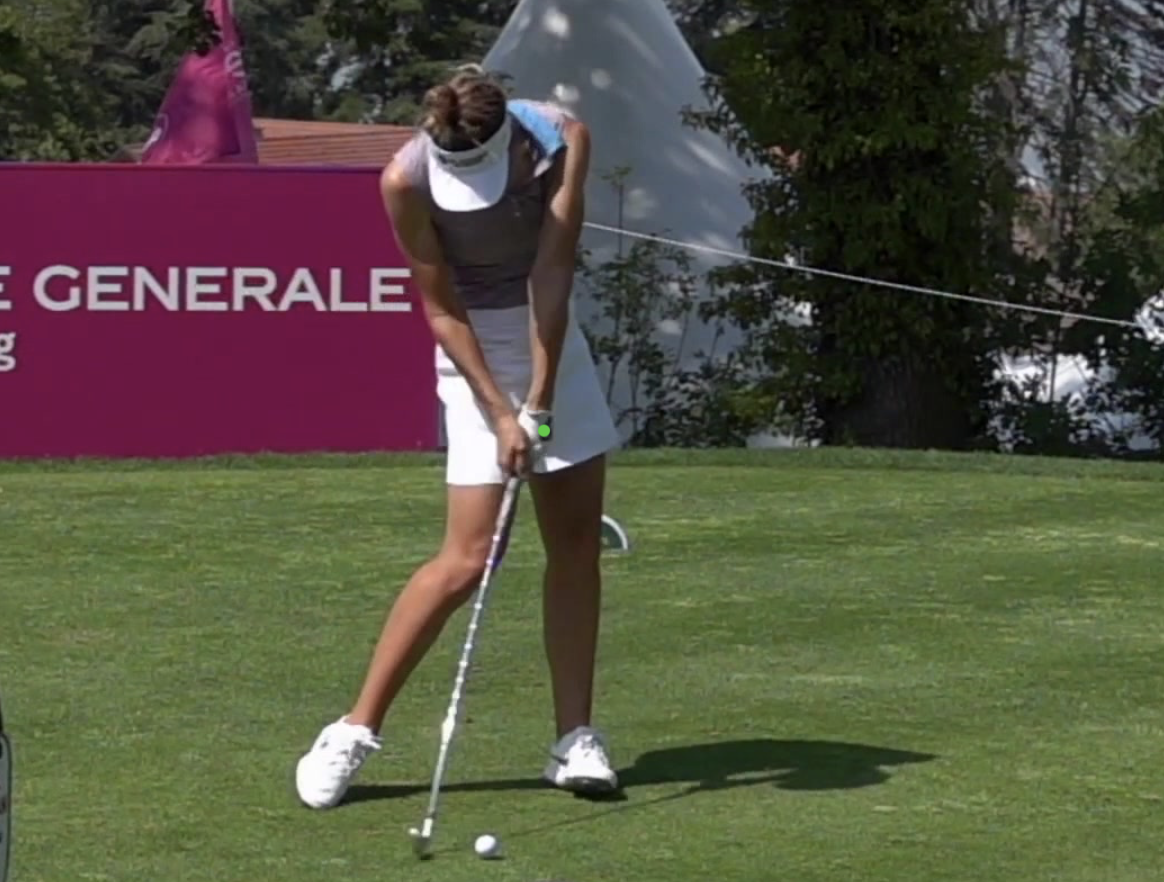
The lead wrist stays palmar flexed and moves toward the target.
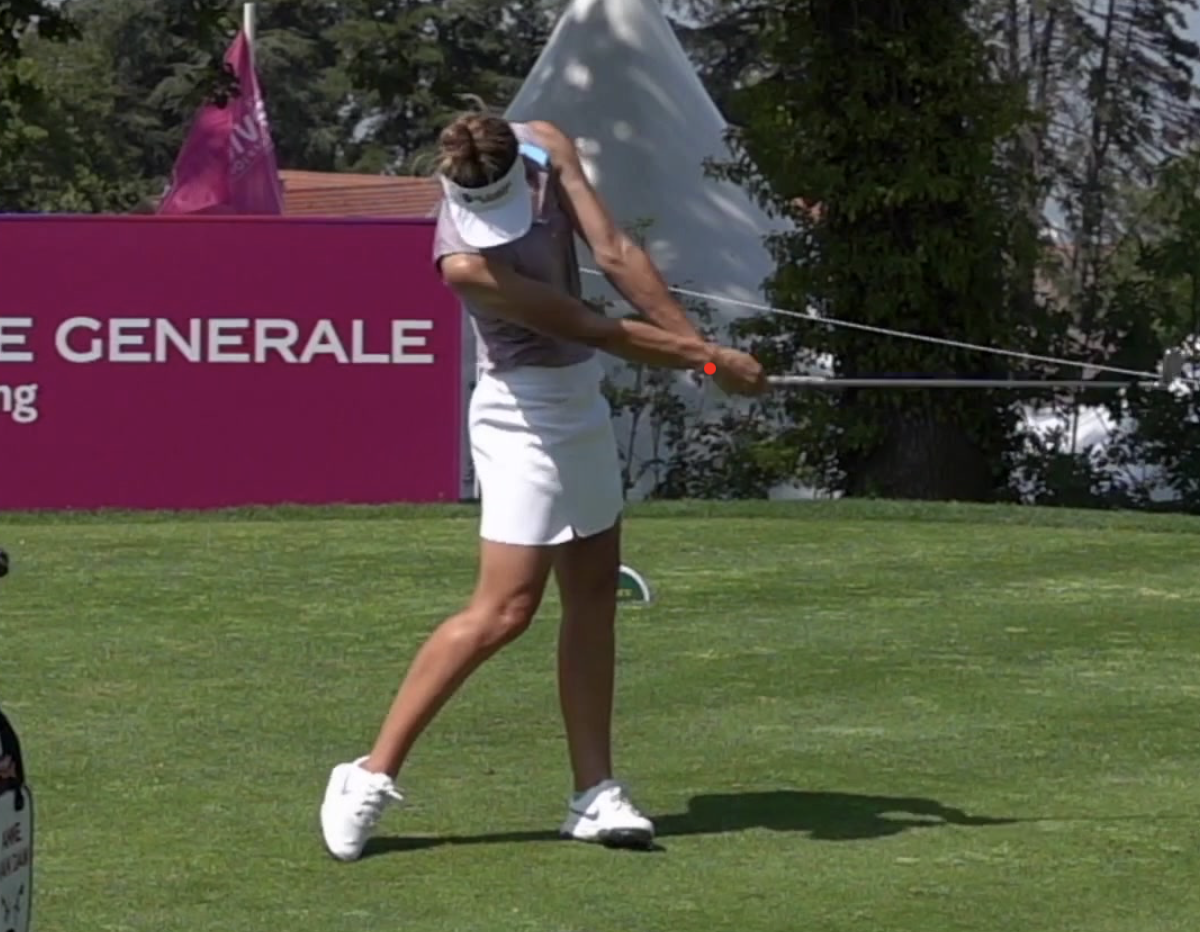
The lead wrist rotates away from the camera as the club exits around the body.
Use the arrows, dots, or swipe on your phone.
Compare the three positions
1 / 3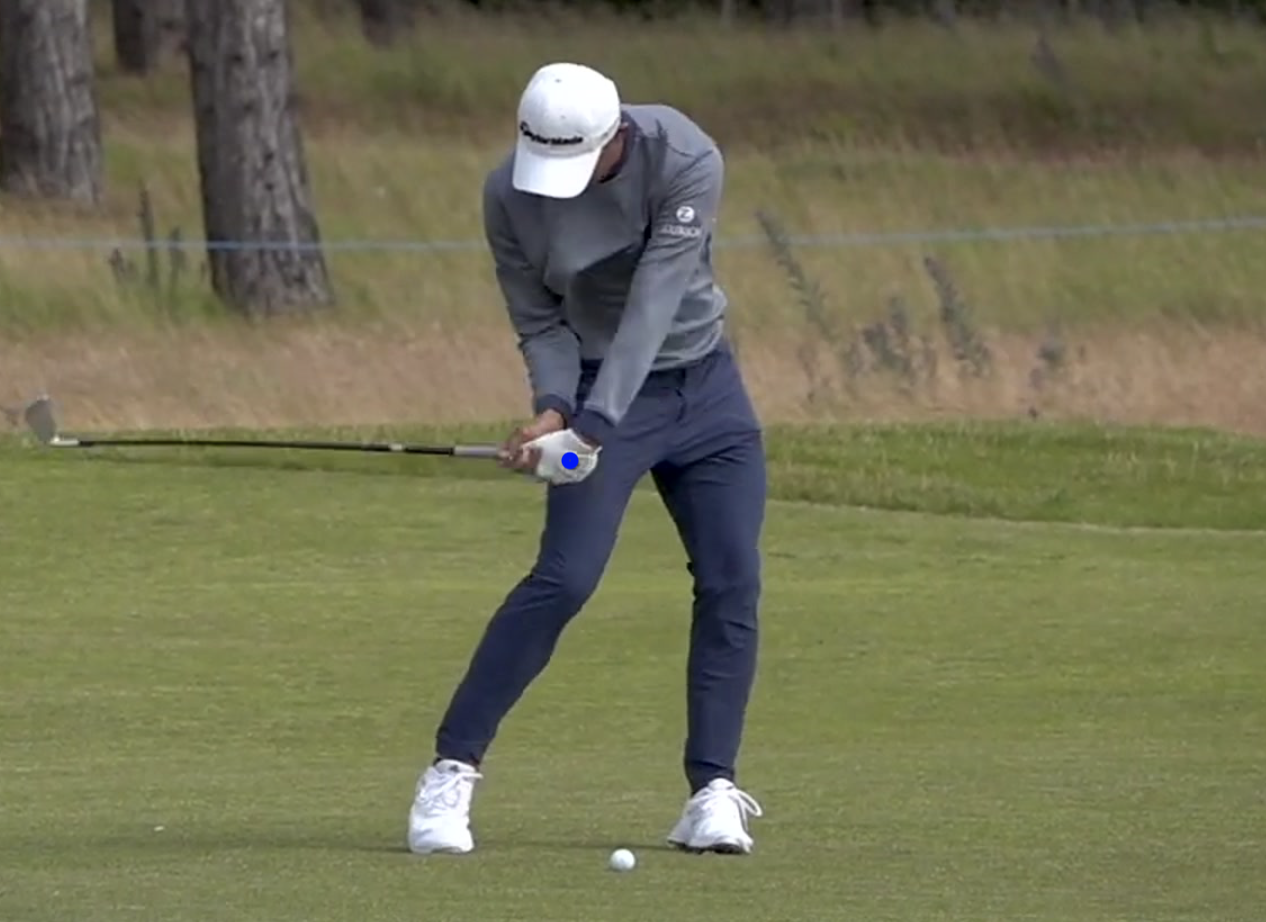
The lead wrist is palmar flexed and facing more toward the camera.
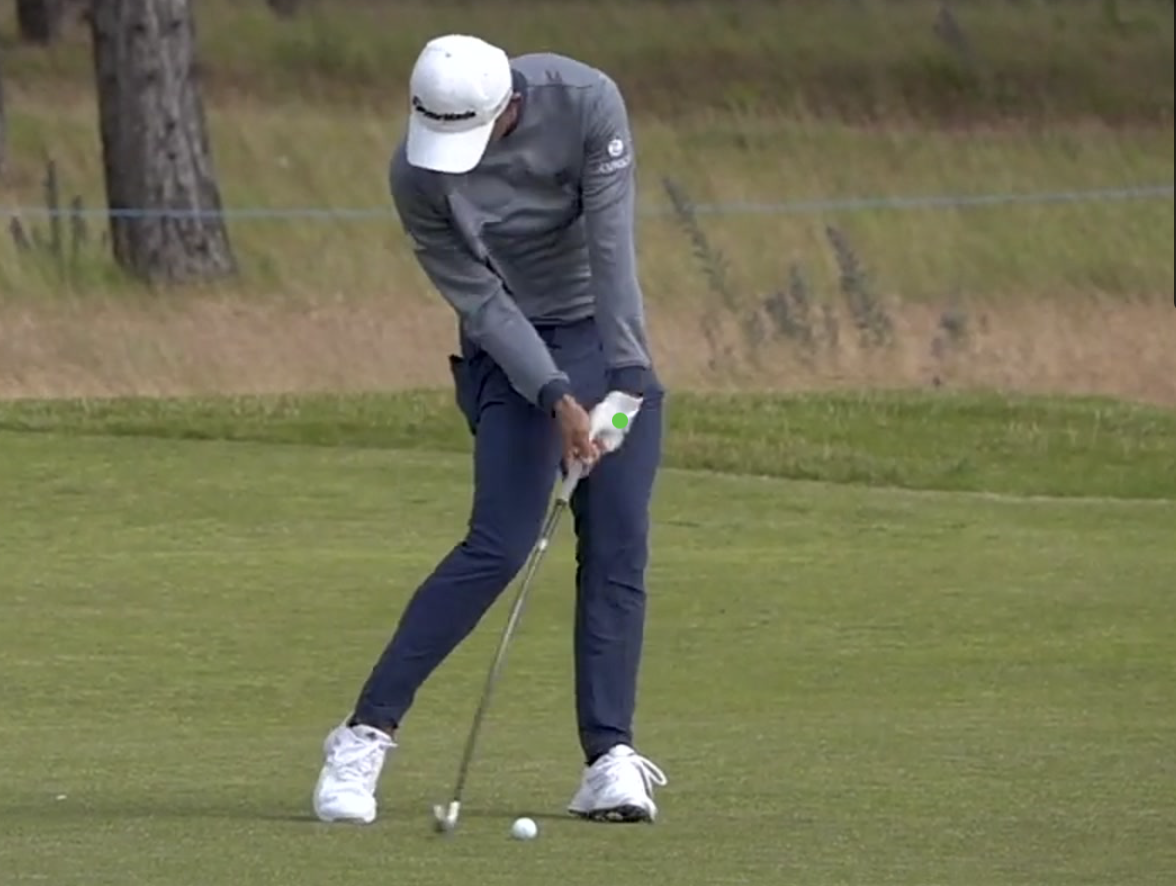
The lead wrist remains palmar flexed and moves toward the target.
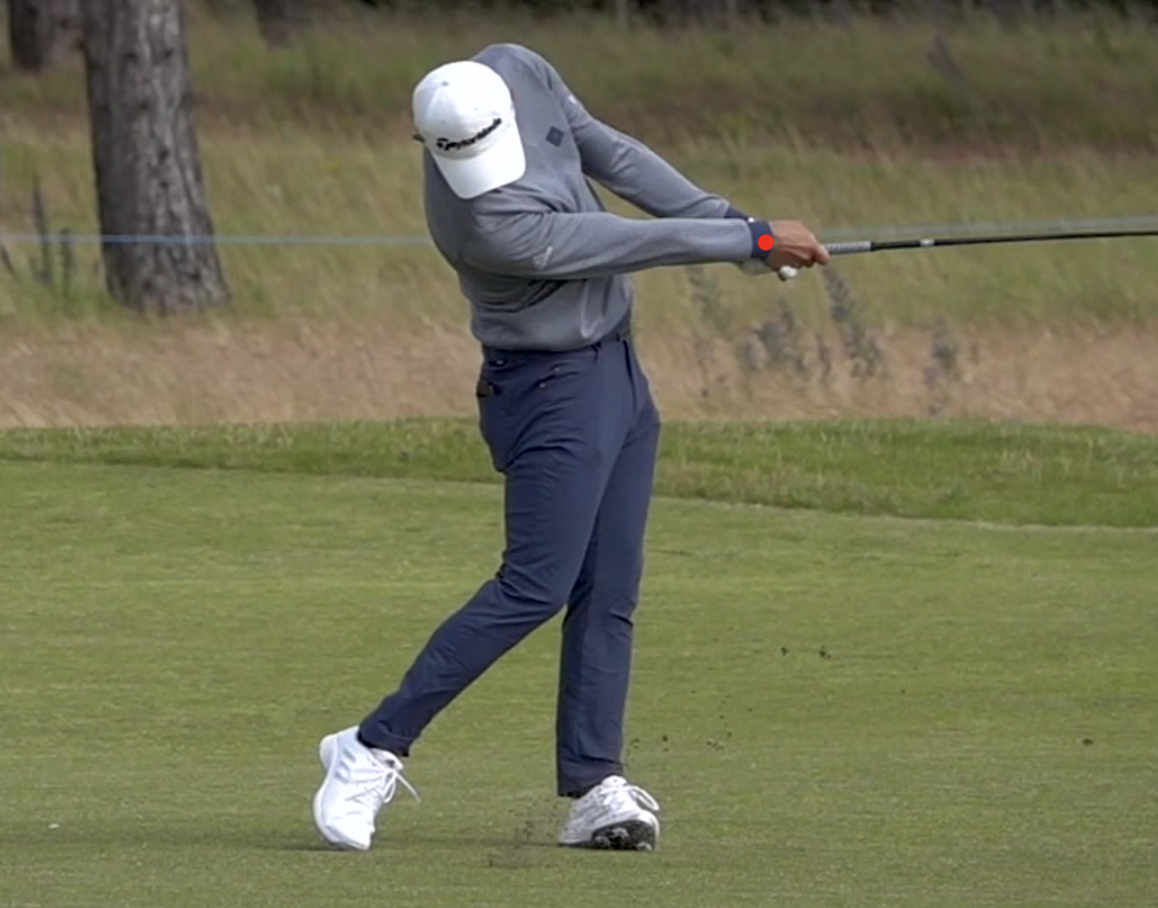
The lead wrist rotates away from the camera through the release.
Use the arrows, dots, or swipe on your phone.
Creating lag is important.
But lag by itself is a bit like a burger with only the bun. The bun matters, but it is not the full burger.
The same is true in the golf swing.
If you create lag, the important piece you cannot forget is how your lead wrist has to move through impact.
Just like you saw in the pictures above, the lead wrist stays palmar flexed. First it is more visible to the camera, then it works toward the target, and after impact it rotates away from the camera.
This movement helps you not only create lag, but actually benefit from it. It helps you compress the ball better, create more shaft lean, and control the clubface at the moment that matters most.
P.S. If focusing on the lead wrist feels too complicated, you can also feel the same movement through your trail wrist.
The trail wrist works in the opposite way. It stays extended before impact, with the trail palm more visible to the camera. At impact, the trail palm works more toward the target. After impact, it rotates away as the club releases around the body.
Some golfers find this easier to feel because the trail hand gives them a clearer sense of how the clubface is moving.
If you want a simple drill to train this movement step by step, you can join my training program below.

Sigmar Reich
Founder of golfskool.com
